A headset can feel comfortable for two minutes and become distracting during a long meeting. Evaluate it with the glasses, hairstyle, and working position you normally use. Fit is personal, so a favorable review is a reason to try a model rather than proof that it will suit you.
Check contact and adjustment
Adjust the headband so the ear pieces sit naturally without pulling the microphone out of position. Notice pressure around the ears and across the top of the head. If the headset has cushions, check whether replacements are available and how they attach.
Over-ear, on-ear, and in-ear designs distribute contact differently. Consider the room as well as comfort: a design that leaves more surrounding sound audible may suit someone who needs to hear a door, while another person may prefer more isolation. Neither choice removes the need for an appropriate listening level.
Move your head and reach for a document. The headset should remain secure without requiring repeated adjustment. For a wired model, include the cable route and length in the trial so that a tug does not become part of every movement.
Test the conversation, not only music
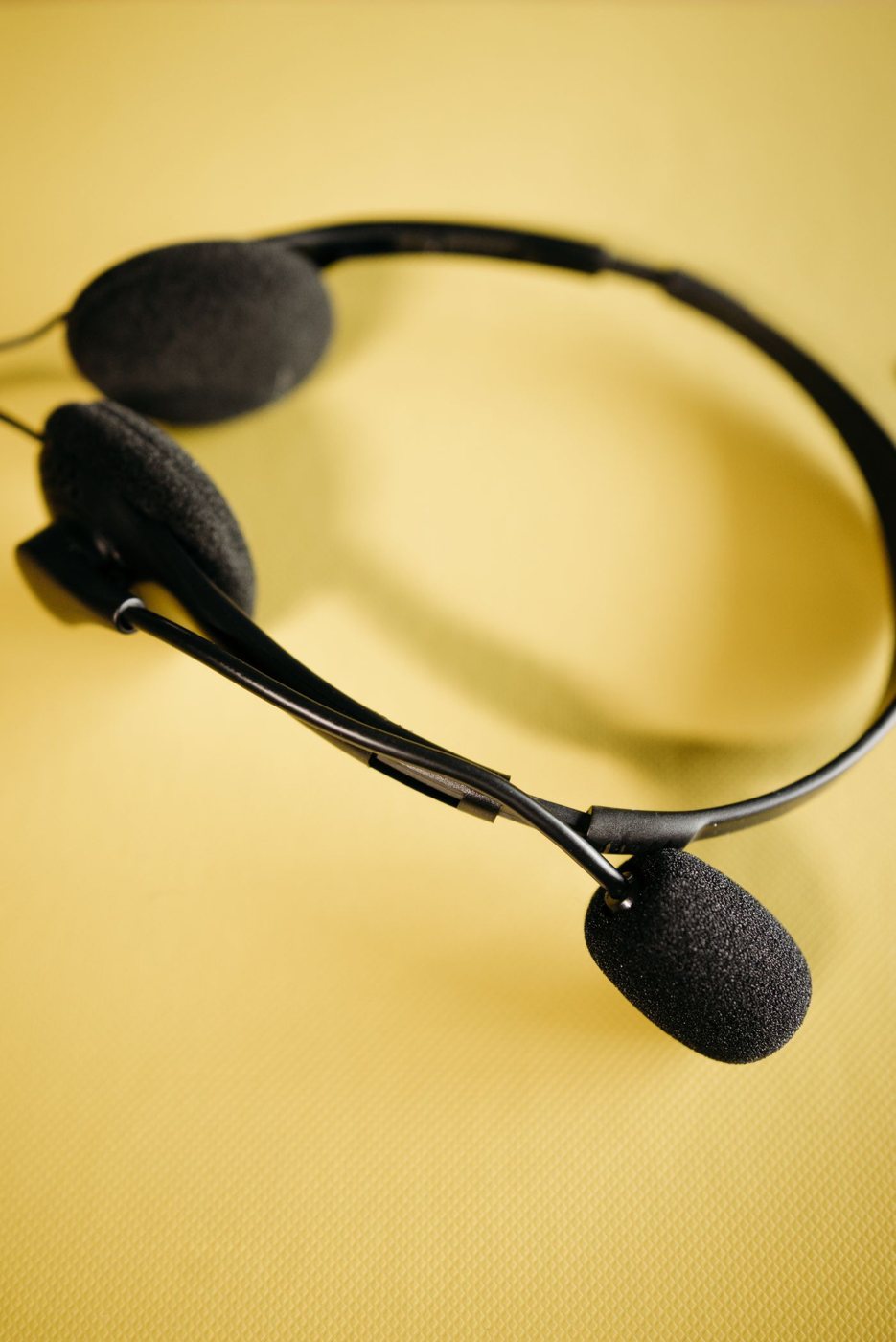
Make a sample call or recording to check microphone clarity and position. A boom should reach the intended location without touching the face or drifting. If there is no adjustable boom, listen to how the microphone handles your normal room and speaking level.
Locate mute and volume controls by touch. Check whether mute status is visible in the meeting application, on the headset, or only in one place. A control that is easy to press accidentally can interrupt a conversation even when the audio sounds good.
For wireless use, verify battery expectations, charging behavior, and connection support for each device. Test reconnecting after a break and switching between the computer and phone if that is part of the workflow. Do not assume every advertised feature is available on every operating system or connection method.
During the return period, use the headset for a representative session with ordinary breaks. Note specific problems such as pressure from glasses, heat, slipping, or a microphone that requires constant correction. Choose the model that supports the length and style of your calls, not the one with the longest feature list. If discomfort develops, stop and reassess the fit rather than forcing an extended trial.