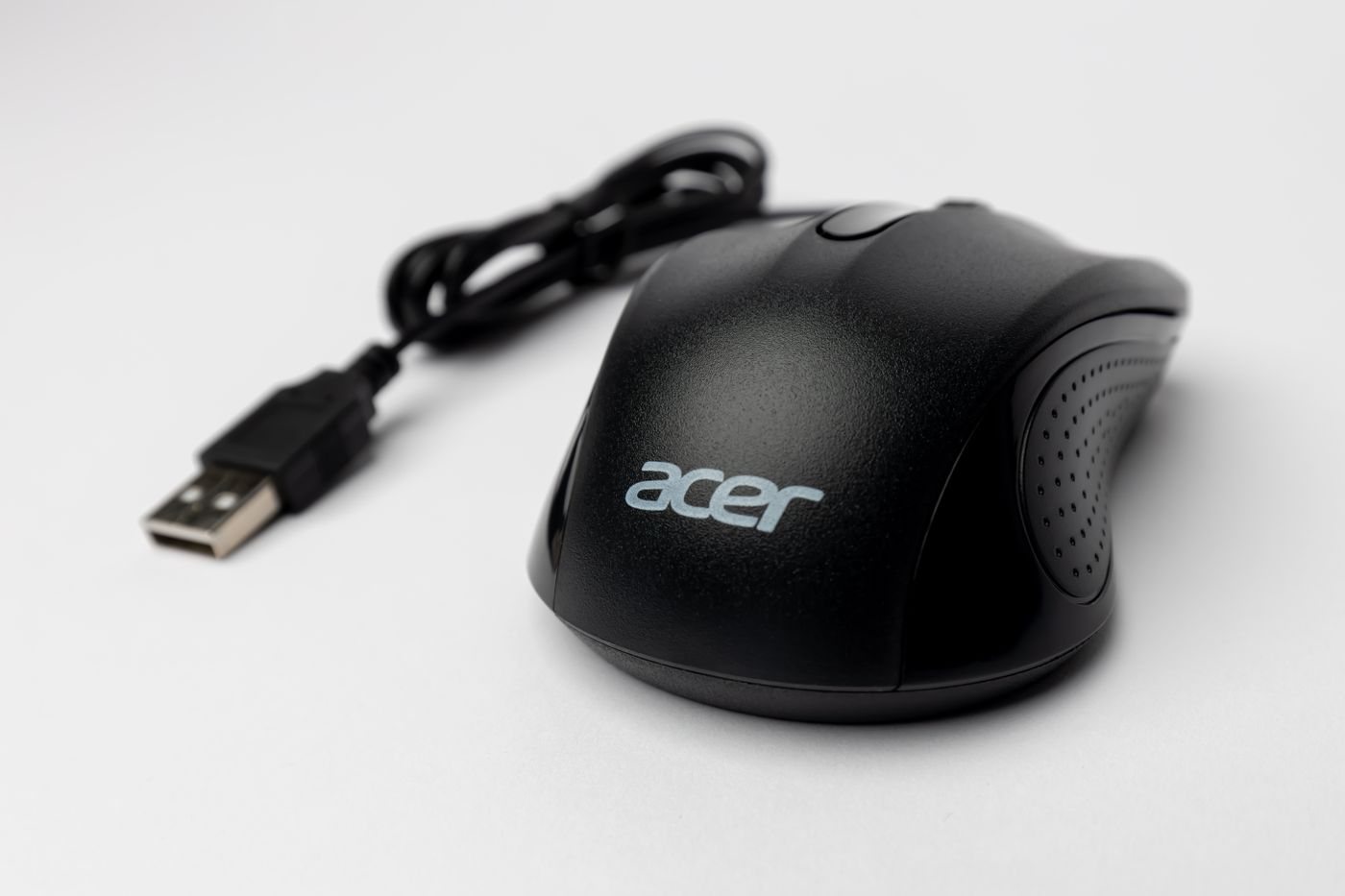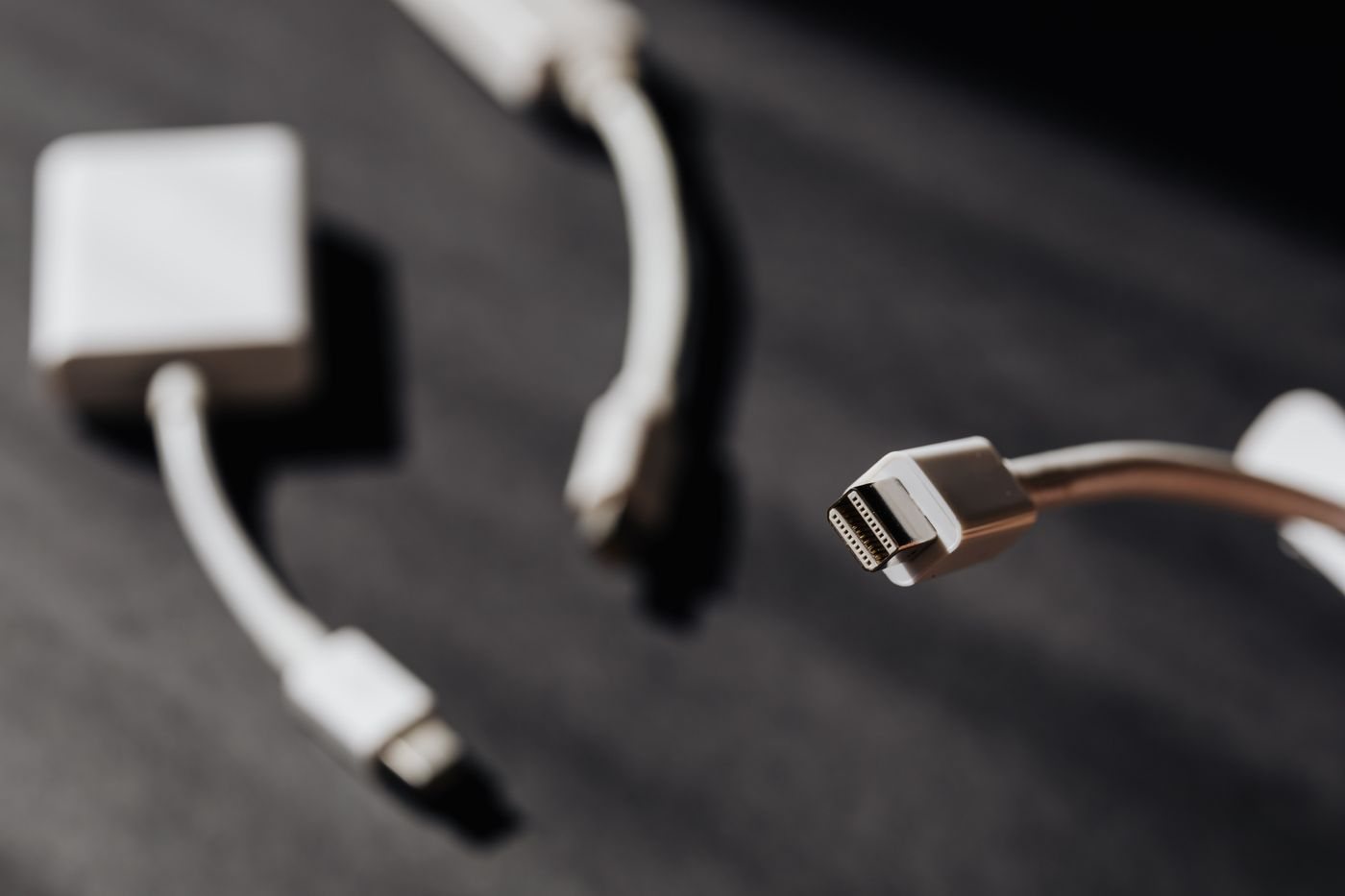
A cable that worked last year may have been bent, crushed, or damaged in storage. Inspect it while disconnected before reusing it. Start at one connector and follow the whole length, looking for split insulation, flattened sections, sharp kinks, or a jacket that has become brittle or sticky.
Pay particular attention where the cable enters each plug. This strain-relief area often carries repeated bending. A loose shell, exposed conductor, bent contact, or heat discoloration is a reason to remove the cable from service. Do not bend a suspect section while powered to discover the position in which it still works.
Identify what the lead belongs to
For data and charging cables, recover the model or rating if possible. The same connector can be used with different capabilities. If the original purpose is unknown, do not assume the cable can handle a high-power laptop or a demanding display connection simply because it fits.
For mains cords and power adapters, inspect only accessible exterior parts. Apple's adapter guidance identifies fraying, damaged prongs, casing damage, and unusual sounds as warning signs. A damaged mains plug or an object stuck in an outlet needs appropriate professional help, not pliers or a homemade repair.
Check that detachable power leads are approved for the equipment and local supply. Keep adapters paired with their devices; similar barrel plugs can conceal different electrical requirements. If a label is illegible, ask the manufacturer or replace the accessory with a documented compatible part.
Do not repair by disguise
Wrapping tape around exposed or damaged insulation does not restore the cable's original condition or rating. Likewise, straightening a damaged connector can leave a poor connection even if it appears usable. Retire the item and follow a suitable electronics recycling route rather than returning it to the spare-cable drawer.
An intact cable still needs a sensible route. Avoid pinching it under furniture, pulling it taut across a moving joint, or winding it tightly around a charger. Store it in a loose loop, with the connectors protected from heavy objects.
When you put a verified cable back into use, observe the intended function without relying on force or a particular angle. Intermittent disconnections, unusual warmth, or unstable charging warrant stopping and investigating. The aim of inspection is to identify an unsuitable part before it becomes the weakest point in an otherwise reliable setup.