Putting an unused device in a drawer postpones several decisions: whether its data is needed, whether its battery needs attention, and whether someone will know which charger belongs to it. Make those decisions while the device is still familiar and accessible.
Start by checking its condition. Do not place a swollen, leaking, unusually hot, or otherwise damaged battery-powered device into ordinary storage. Stop using it and obtain manufacturer guidance for handling and service. Storage is for equipment in suitable condition, not a way to set aside an unresolved battery problem.
Prepare for the next use
Save important data through a backup method you can later access. Note any account or recovery information required, storing secrets securely rather than writing them on the case. If the device will be retained as a spare, record what it can still do and which accessories are necessary.
Follow the manufacturer's long-term battery-storage instructions. Apple, for example, specifies a partial charge and periodic attention for its products, but the correct schedule and conditions should come from the maker of your exact device. Do not assume that leaving everything fully charged or entirely empty is equally appropriate.
Turn the device off as directed. Remove routine user-replaceable batteries only when the product instructions recommend it, and protect loose battery terminals according to appropriate guidance. Do not open sealed devices to remove embedded batteries for a general storage routine.
Choose the location deliberately
Use a dry location within the manufacturer's temperature range, away from direct sun, heat sources, and places likely to flood. Avoid a vehicle or an attic with large temperature swings. Place equipment so heavy objects cannot press on screens, connectors, or battery compartments.
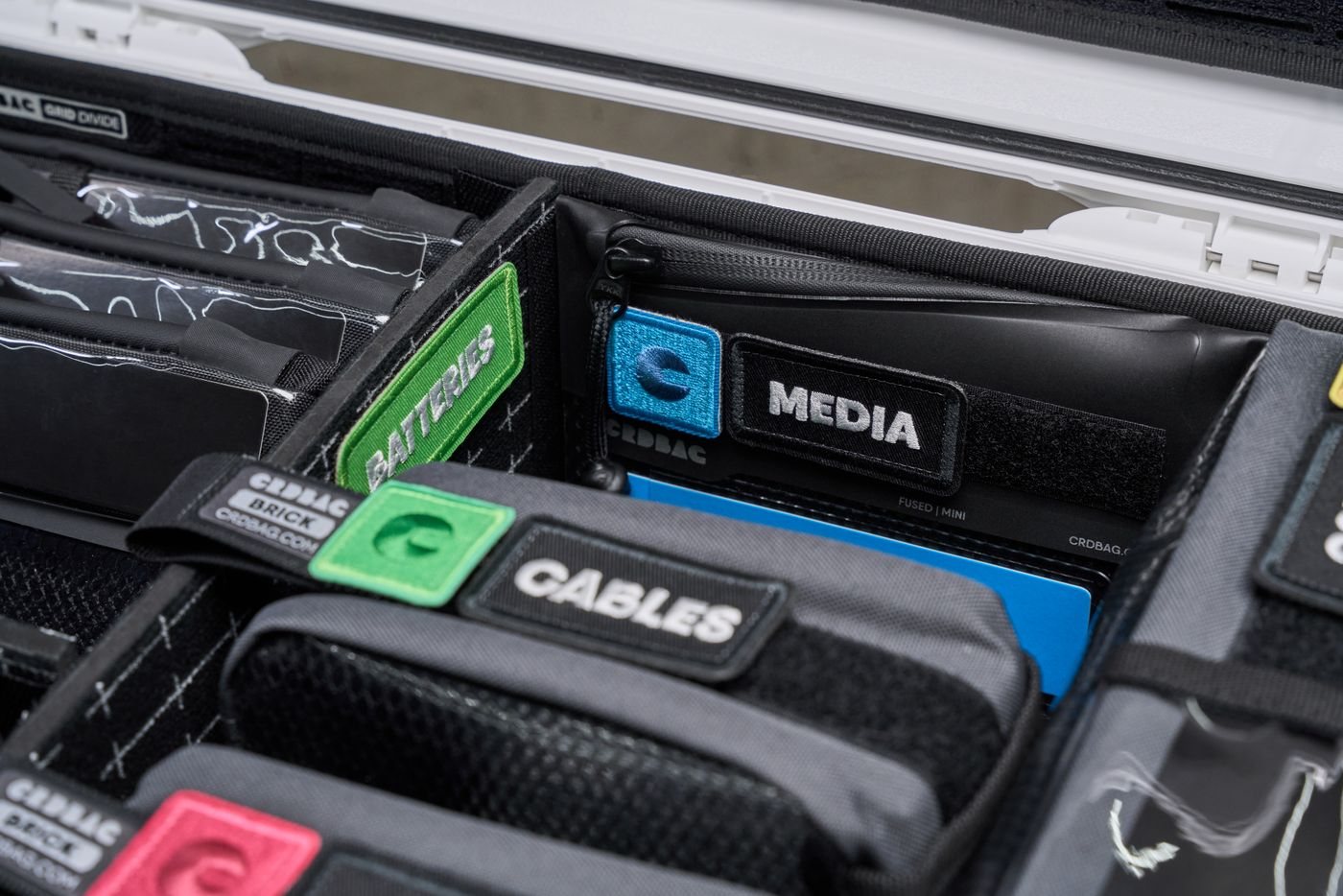
Keep cables loosely coiled and identified with their devices. A small label with the model, storage date, and intended role can prevent a future search through indistinguishable power adapters. Avoid sealing damp equipment in a bag; resolve moisture before storage.
Set a reminder for any battery check the manufacturer requires and for a periodic review of whether the device is still useful. At the next use, inspect the exterior and cable before applying power. Check for distortion or damage that developed while stored.
If the device no longer has a role, arrange data removal and a suitable reuse or recycling route. A deliberate storage plan makes a spare genuinely available, while a review date prevents old electronics from becoming an unidentified collection that is difficult to handle responsibly.