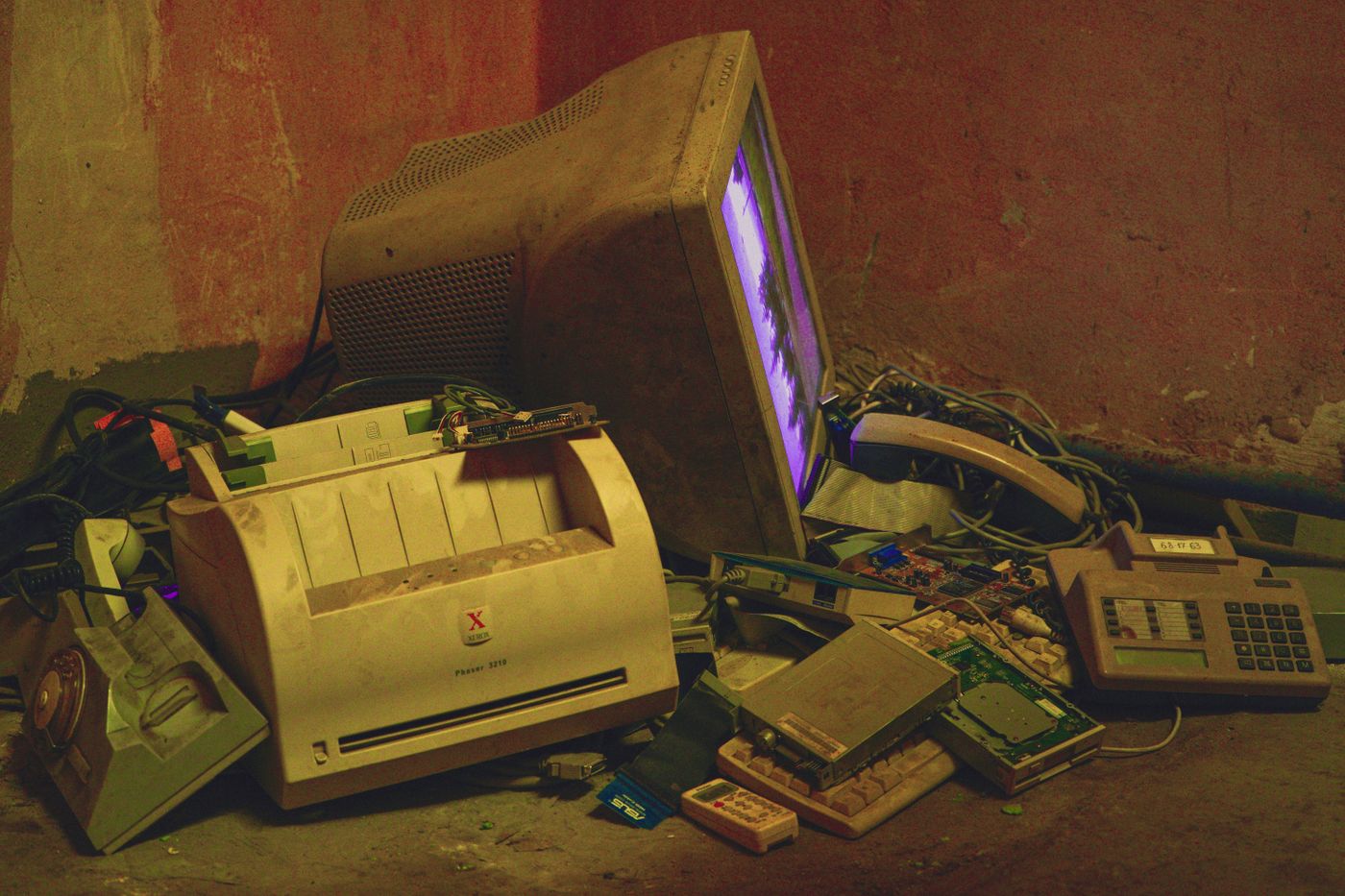
An electronics collection point may accept a laptop but decline a swollen battery, a large monitor, or equipment from a business. Check the program's current accepted-items list before loading a vehicle. Confirm hours, any appointment requirement, fees, and whether the service is limited to local residents.
Start with the device manufacturer, local solid-waste authority, or an established electronics collection program. The EPA's electronics recycling guidance lists routes for finding options and emphasizes removing personal information. Treat a directory listing as a starting point; the receiving location should confirm that it accepts your exact item and condition.
Separate data from hardware disposal
If the device works and can be handled safely, use its supported data-removal procedure after verifying your backup. Simply moving documents to the trash is not an adequate resale or recycling preparation. Remove accounts and personal information according to the manufacturer's instructions.
If the device cannot be erased normally, ask the recycler how it handles storage and what evidence of data destruction it can provide. For work equipment or regulated information, follow the organization's process rather than choosing a household drop-off independently. Do not assume every collection bin includes a data-destruction service.
Consider whether a functioning device has a realistic reuse destination, but confirm the recipient's requirements before donating. A broken or unsupported item may not be helpful to an organization that lacks repair resources. Describe its condition honestly and include only the accessories the recipient can use.
Batteries change the route
Lithium-ion batteries and devices containing them do not belong in household trash or curbside recycling. The EPA advises special handling for damaged batteries and contacting the manufacturer. A swollen or damaged battery needs an explicitly confirmed destination and transport instructions; do not place it into a routine store collection box.
Remove batteries only when the product is designed for user removal and the receiving program instructs you to do so. Do not pry an embedded battery out to satisfy a generic checklist. Likewise, do not mail a damaged battery in ordinary packaging without a compliant arrangement from the responsible provider.
Keep the equipment protected during transport so it cannot fall, break, or have its connectors crushed. Follow the receiver's instructions for packaging and accessories. Retain any receipt or transfer record if it matters for your inventory.
The useful endpoint is a confirmed handoff through a suitable program, with personal data addressed and unusual conditions disclosed. A cleared drawer is only part of that result.