Noise around a desk comes from several different sources, and the solution depends on which one is interrupting the work. A rattling panel, a loud conversation, and an electronic notification require different responses. Spend a short period identifying the recurring sounds before buying anything intended to reduce them.
Write down when each sound occurs and what seems to trigger it. A computer fan may become noticeable during a demanding task, while a chair may make noise only when moving across a particular floor area. This simple record helps distinguish a continuous background sound from an occasional interruption.
Address avoidable sources
Check whether loose objects are vibrating against equipment or the desk. Move them without obstructing ventilation. If a device has developed a new mechanical noise, consult its support guidance; do not silence it by covering vents or disabling cooling. Disconnect equipment safely before carrying out any maintenance allowed by its instructions.
Review notification sounds separately. Disable unnecessary alerts through the relevant application or operating-system controls, while preserving alerts that you need for safety or work. A quieter notification policy can remove interruptions without changing the physical room.
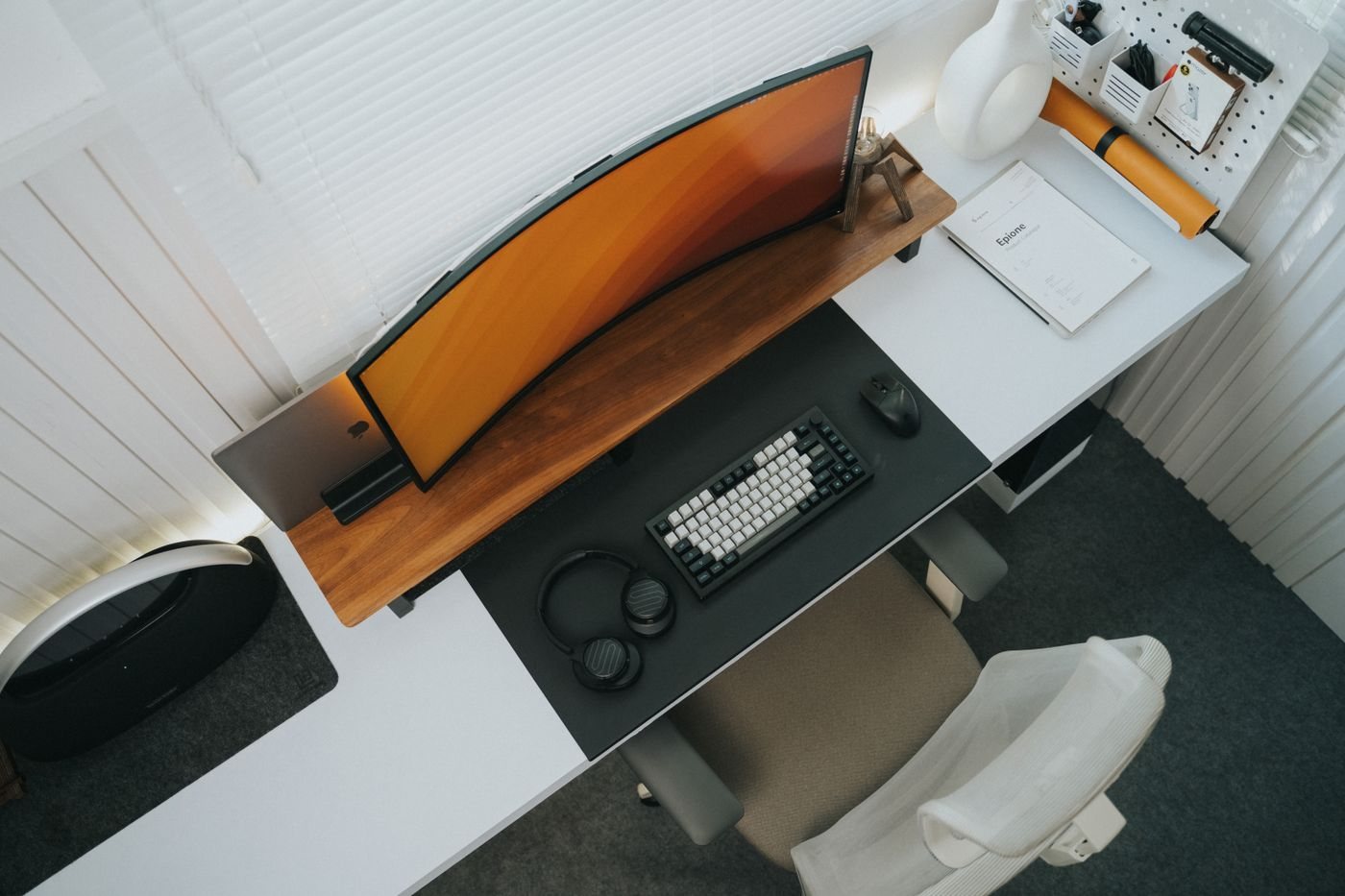
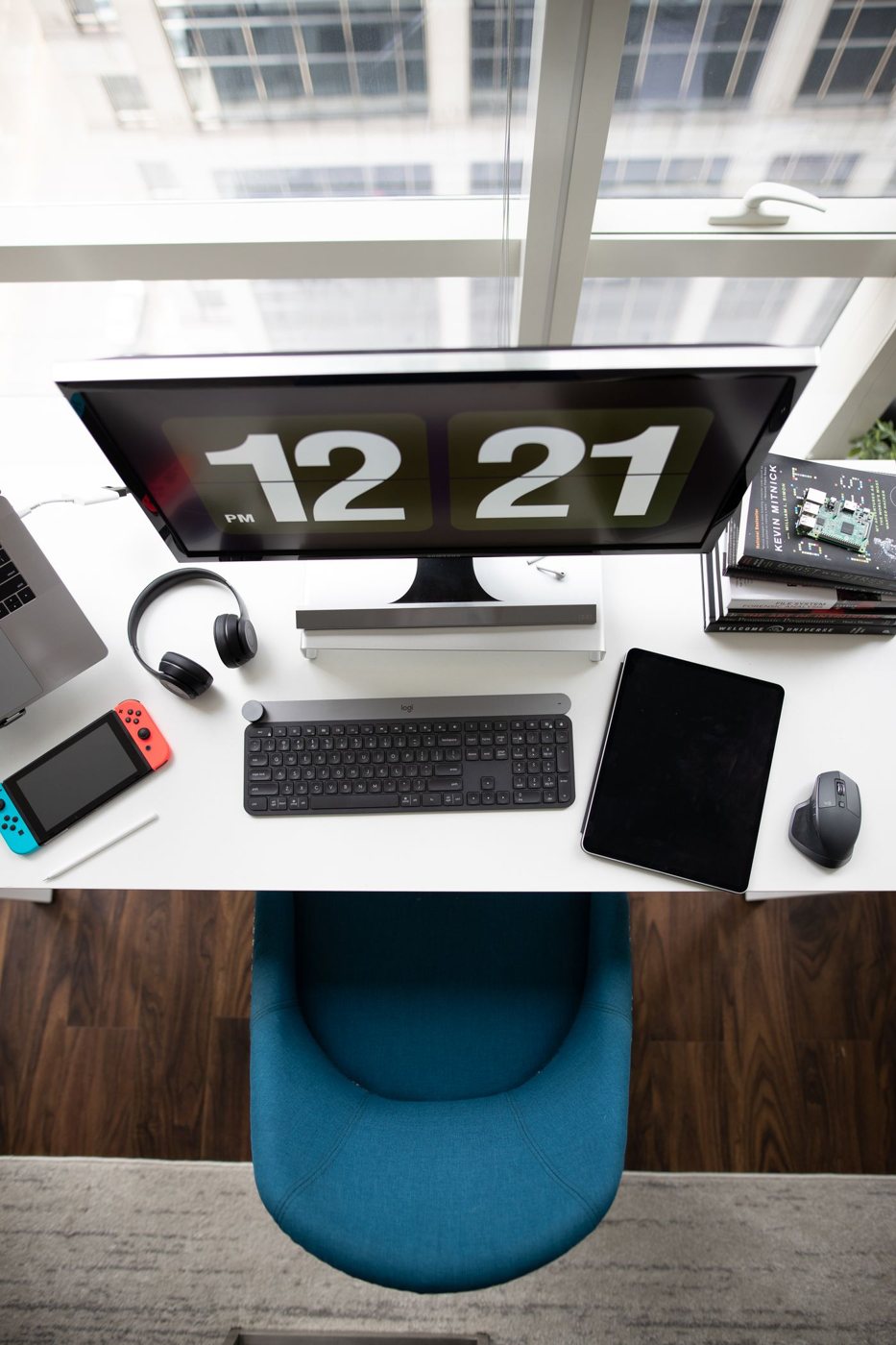
For keyboard and mouse noise, consider placement and the surface beneath the device. A suitable desk mat may change the sound transmitted into the tabletop, but it cannot guarantee a quiet room. Test a small change before replacing equipment solely on the basis of a marketing label.
Work with the shared space
If conversations are the main issue, agree on call times or a separate call location where possible. Headphones can help with listening, but they do not make spoken meetings private. Avoid raising playback volume simply to overpower the room.
Soft furnishings can affect how a room sounds, but any changes must fit the building's rules and normal use. Do not obstruct exits, vents, heaters, or equipment with improvised acoustic materials. Claims about soundproofing need particular care: reducing echo within a room is different from preventing sound from traveling between rooms.
Reassess after one change at a time. Notice whether the interruption became less frequent or less distracting, rather than expecting complete silence. If the remaining sound is outside your control, changing the timing or location of concentration-heavy tasks may be more effective than adding another accessory to the desk.