A workspace in a rented room has to fit both the work and the limits of the property. Before buying mounting hardware or changing fixtures, check the lease and any relevant building rules. Permission for one alteration does not imply permission for every wall, floor, or electrical change.
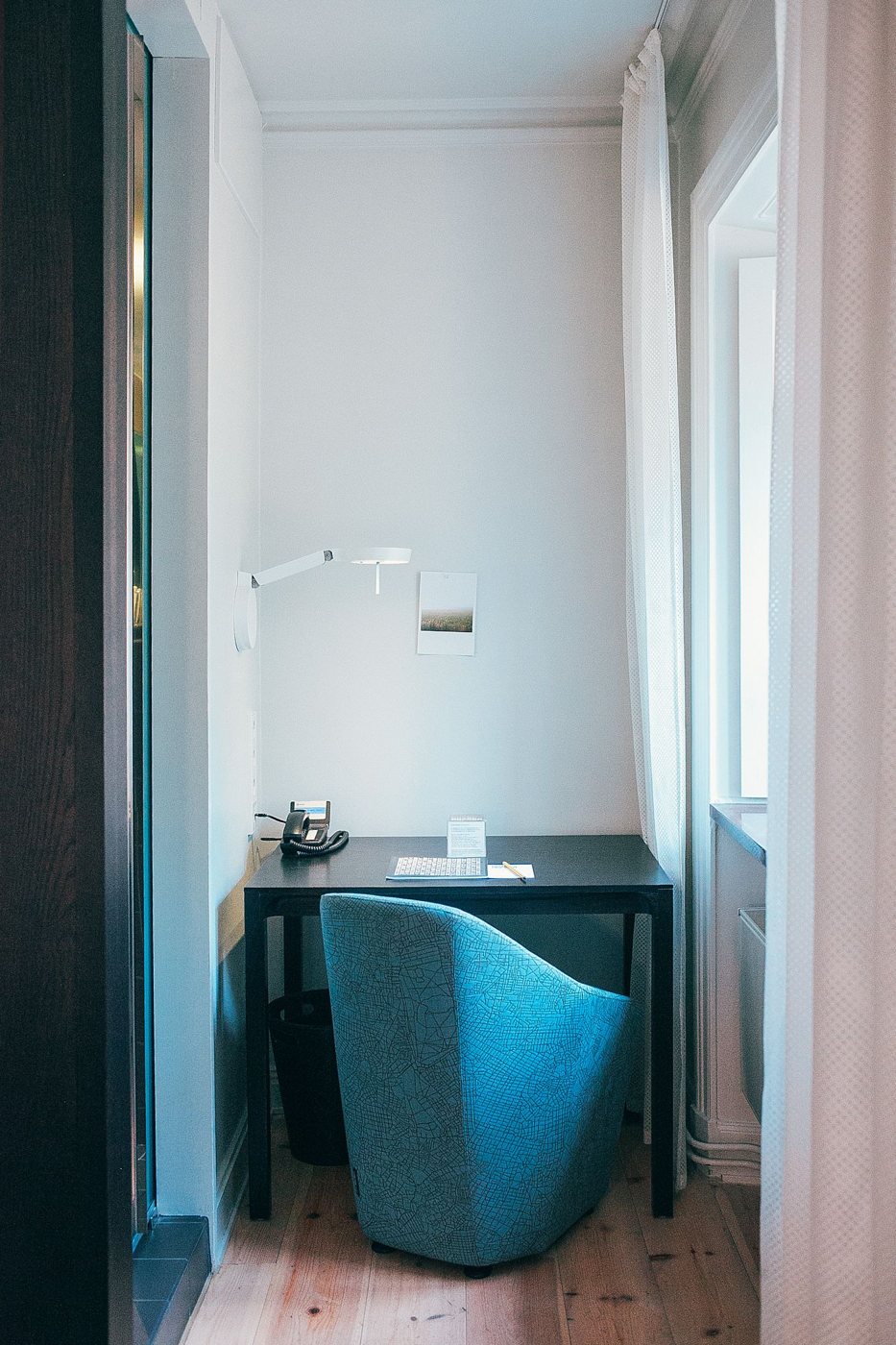
Begin with a freestanding layout. A suitable desk, lamp, and storage unit may solve the problem without attaching anything to the building. Measure the working area and the route by which furniture must enter. Include door swings, heating equipment, outlets, and access needed for normal room use.
Removable does not mean risk-free
Adhesive hooks and strips can still damage paint or finishes. Follow the product's surface, load, application, and removal instructions, and obtain permission where necessary. Do not use a light-duty adhesive product to support equipment whose fall could injure someone or damage other property.
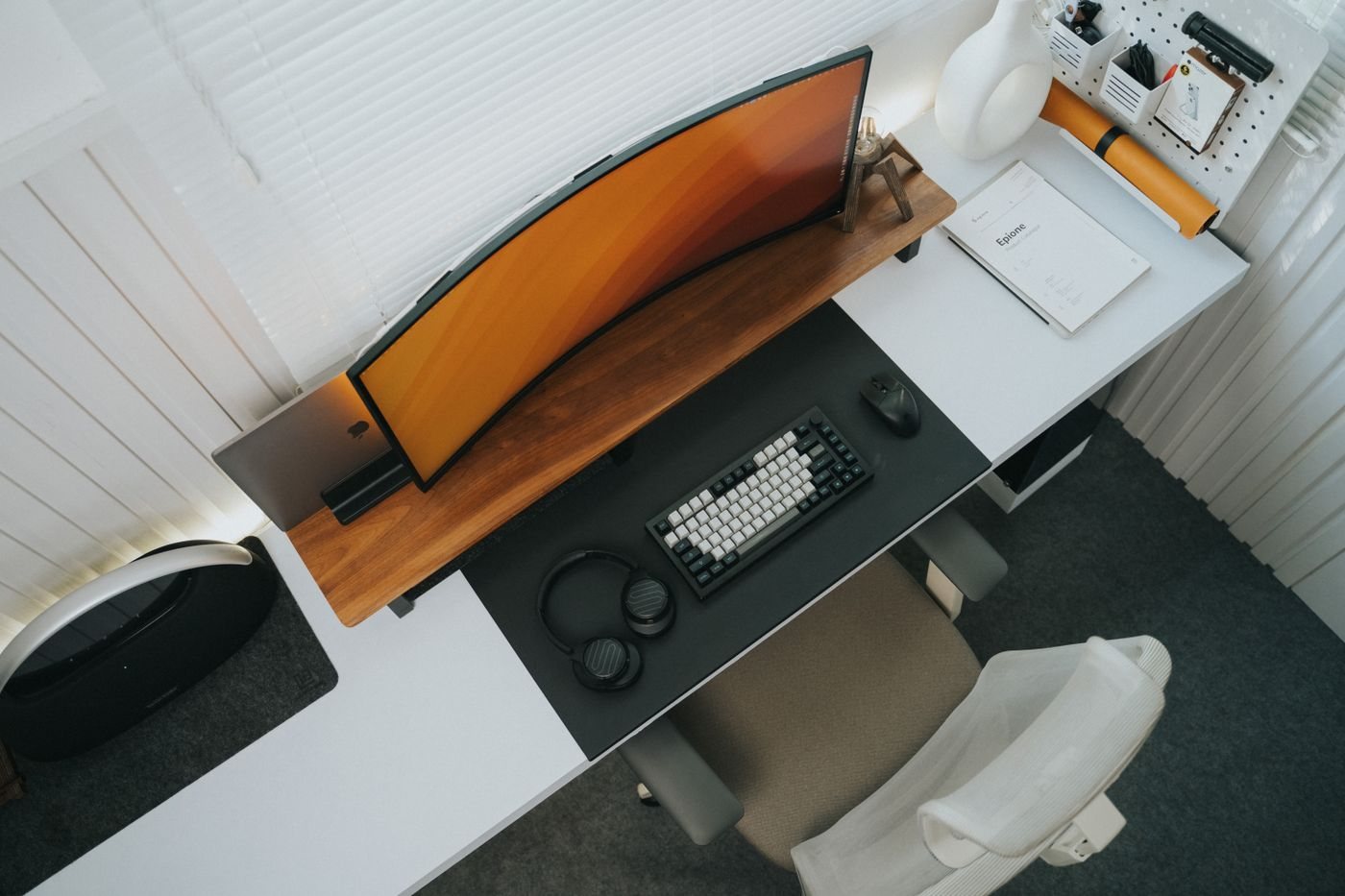
Desk clamps also need a suitable surface. Check the desktop material, thickness, underside clearance, and the clamp manufacturer's requirements. A removable monitor arm is not automatically appropriate for a thin, hollow, or glass tabletop. Keep the original stand available if the mounting arrangement is uncertain.
Plan cables along a route that avoids doors, moving furniture, and walking areas. Avoid hiding a cable where it becomes pinched or cannot be inspected. If existing power access is unsuitable, discuss an appropriate solution with the property manager rather than modifying electrical fittings yourself.
Make relocation part of the design
Choose storage and accessories that can be carried through the actual doorway and packed without extensive dismantling. Keep manuals, spare fasteners, and any supplied protective parts together. Photograph the initial room condition and retain the permission records for approved changes.
A folding or compact desk can be useful, but check stability and usable surface dimensions in its working position. The smallest stored footprint may come with compromises in leg clearance or monitor placement. Test the whole arrangement, including the chair and cable path.
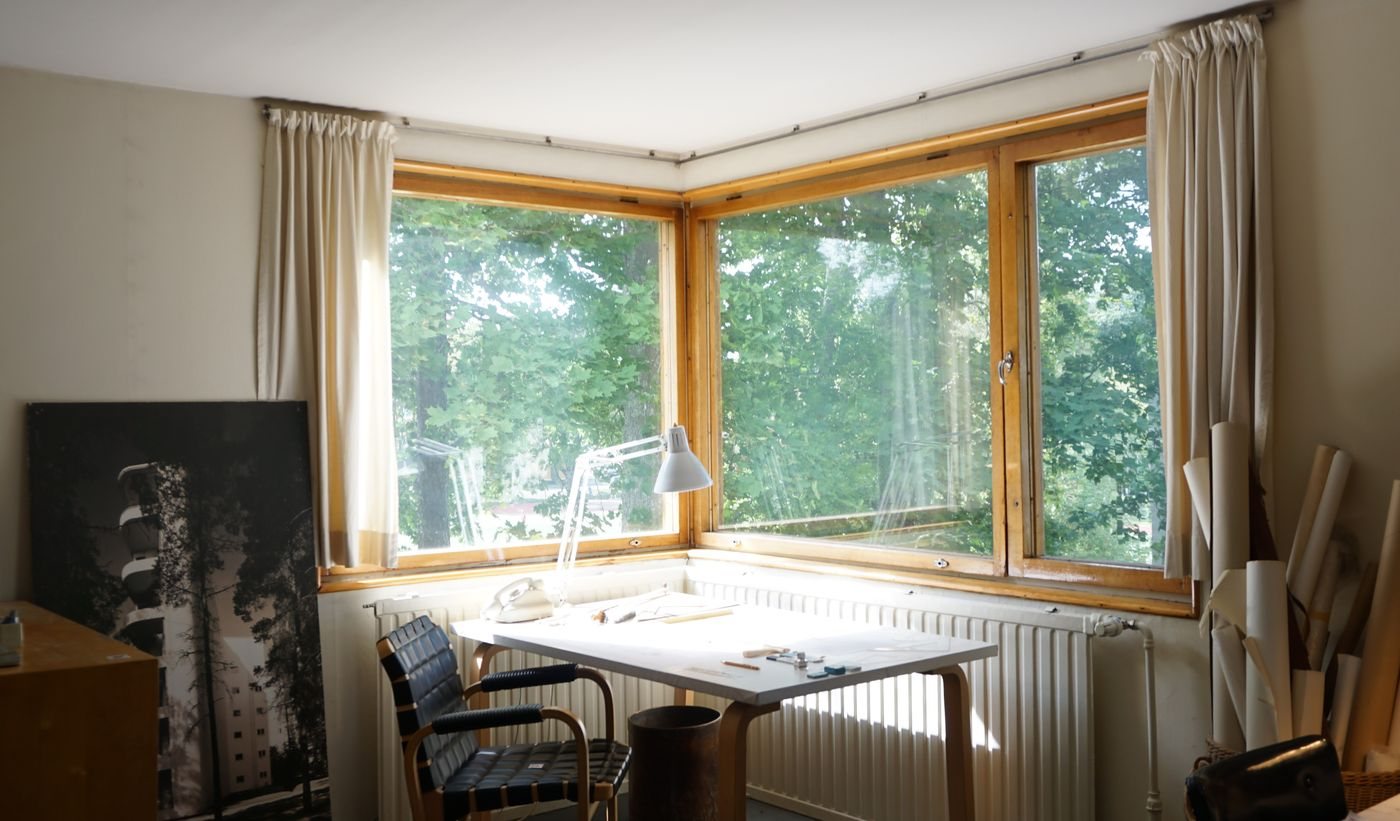
Leave shared building controls and service access clear. A productive corner should not block access to a radiator valve, electrical panel, or window that must remain usable. When you leave, follow the agreed removal and repair requirements. A reversible workspace is planned around the room's constraints from the beginning, rather than relying on repair after everything is installed.