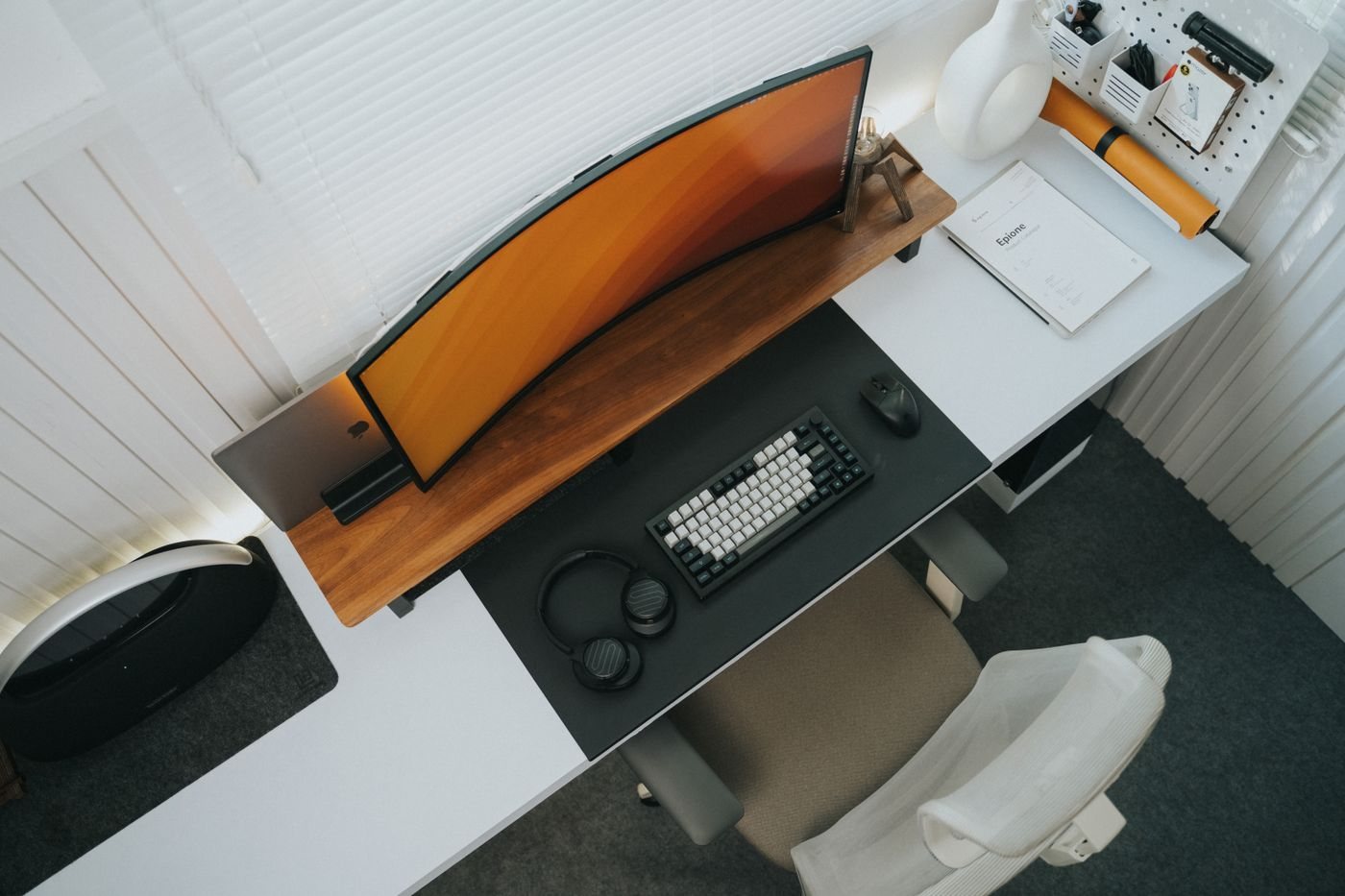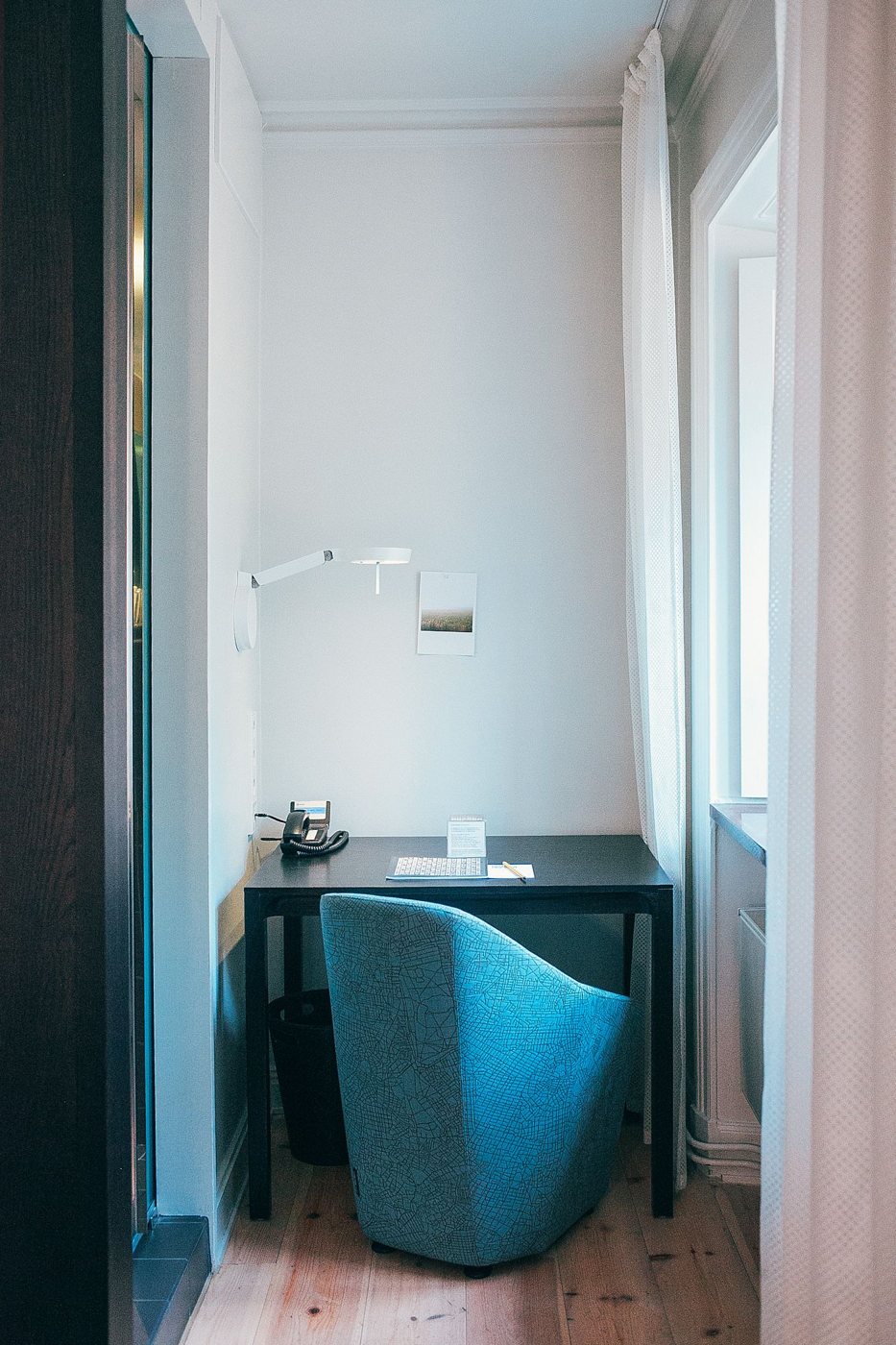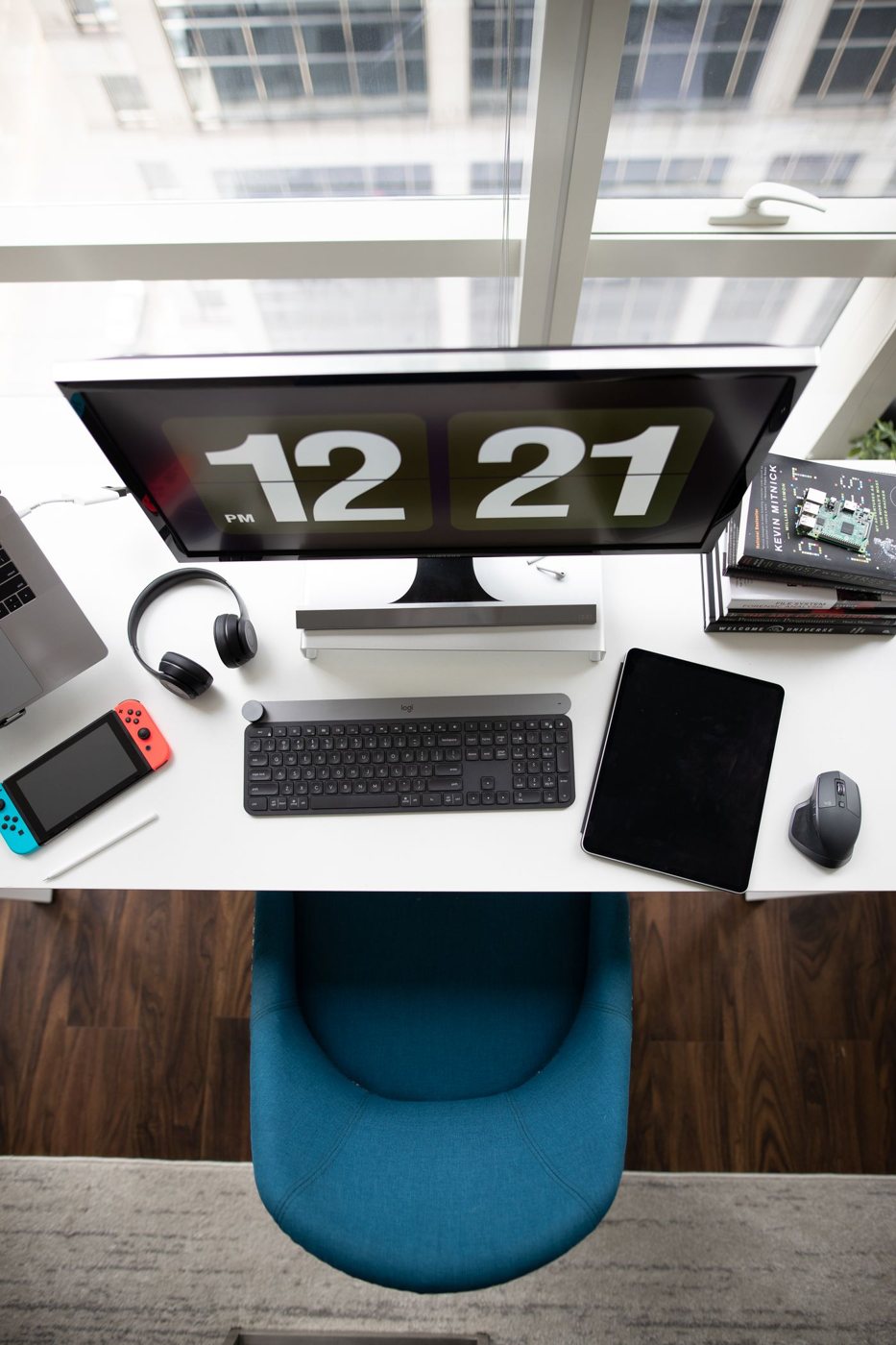
A shared desk works best when the next person can recognize what is available and make a few predictable adjustments. It does not need to preserve one person's exact setup throughout the day. Separate the equipment that stays from the personal items that arrive with each user.
Start with an agreed clear area for a laptop or notebook. Keep shared peripherals in consistent locations and provide somewhere separate for bags and unused equipment. A desk that becomes temporary storage between sessions is difficult to share even when its technology is simple.
Make the connection understandable
Identify the cable that connects a user's computer and explain what it supports. Charging, external displays, and USB accessories depend on the complete combination of computer, cable, and dock. Avoid a label promising universal compatibility. If different users need different connections, keep the relevant adapters identifiable rather than leaving a loose pile.
Write a short setup note covering only the steps people actually need: connect the cable, choose the monitor input if necessary, and select the intended audio device. Include the route for reporting a fault. A photograph of the normal cable arrangement can help, provided it contains no personal information.
Allow the chair and display to be adjusted. Leave enough cable slack for the intended movement, following equipment instructions. Personal comfort should not depend on the previous user's settings, and users should not have to move heavy equipment to reach basic adjustments.
Define what leaving ready means
Agree on a small handover routine. Remove personal documents, sign out of shared services where applicable, disconnect the personal computer, and return borrowed accessories. Use the organization's approved cleaning method for shared equipment rather than assuming one cleaning product is suitable for every surface.
Keep account security separate from desk tidiness. An empty desktop does not mean a shared computer has been signed out. Follow the relevant workplace policy for user accounts, saved credentials, screen locks, and local files.
Give each regular user a modest storage option away from the working area. A removable pouch or assigned drawer can hold personal adapters and stationery without permanently claiming the desk. When a recurring disagreement appears, change the shared arrangement explicitly. Small written agreements about storage and connections are more reliable than expecting everyone to infer the same habits.